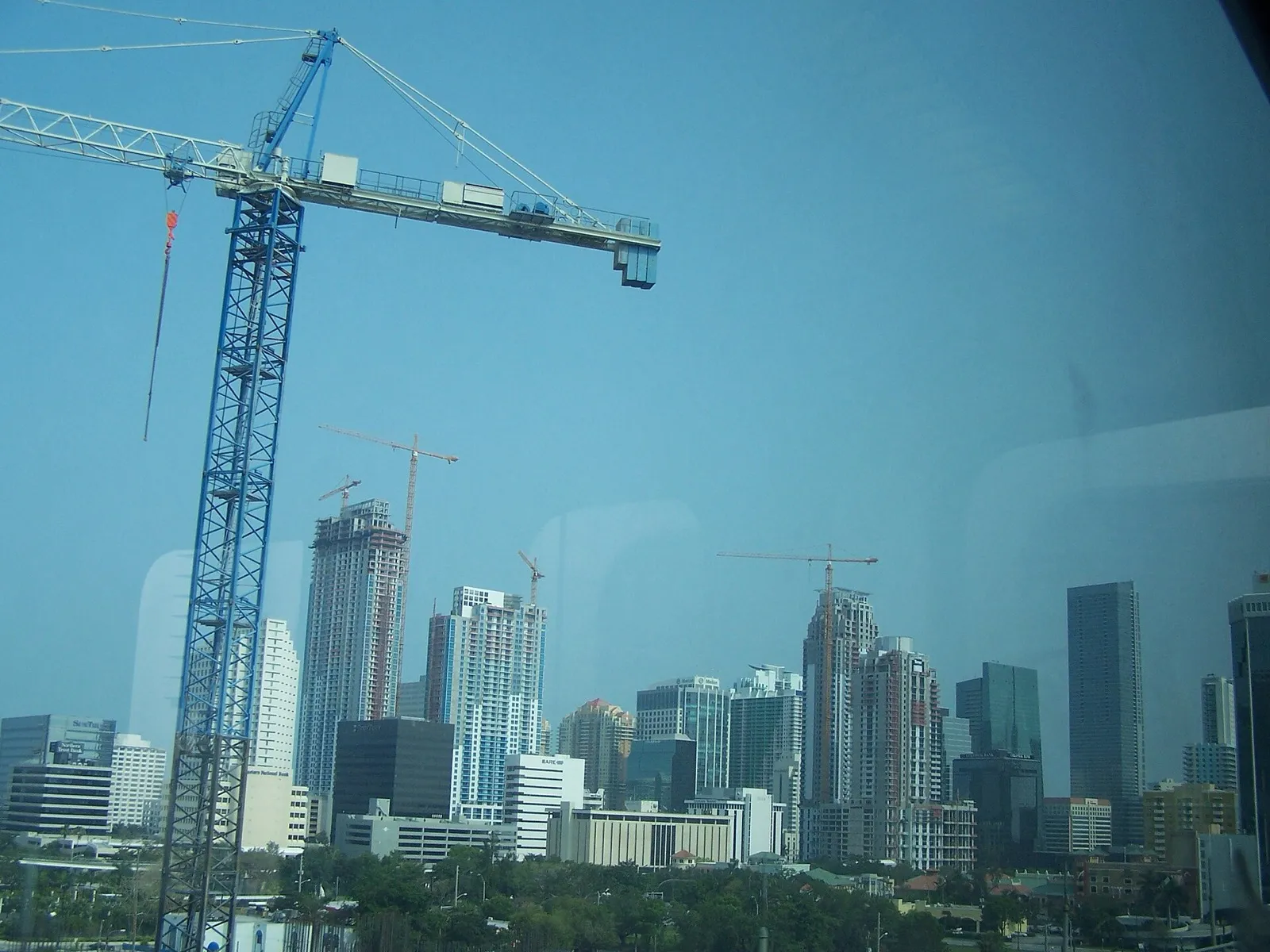
New condos in Miami, Florida are mostly sold the way the city has built for decades: preconstruction, off a floor plan and a rendering, years before the building exists. Done with judgment it is the cheapest way into a brand-new tower and the only one where you pay in instalments while you wait. Done carelessly it ties up your deposit for years with a developer you never vetted. The difference is understanding the structure before you sign.
How a preconstruction purchase is paid: the deposit schedule
You do not need the full price up front. A Miami preconstruction condo is bought on a staged deposit schedule tied to construction milestones — typically around 20% at contract signing, another 10% at groundbreaking, further deposits as the building reaches structural milestones (often a total of 40%–50% through construction), and the balance — usually 50%–60% — due in cash or financing at closing, when the tower is delivered. Your deposits sit in an escrow account governed by Florida law. The schedule is the heart of the deal: it is an interest-free instalment plan on a home that does not exist yet, which is exactly why early entry is attractive.
Want to see the new developments selling now?
View new condos →Entering at the lowest price
In a successful tower, prices rise through the sales cycle. The first buyers at launch price the building at its lowest per-square-foot, and the developer raises prices tier by tier as inventory sells and construction de-risks. By delivery, the early buyer is often sitting on built-in appreciation versus the final release. That upside is real but it is not free — you are being paid to take timeline and execution risk for several years. The discipline is buying early in a project that will actually finish, not buying early in one that won't.
Choosing a developer with a track record
In preconstruction you are not buying a finished home — you are buying a developer's promise to deliver one. So the developer is the asset. Look at what they have actually completed in Miami, whether past towers were delivered on time and to the rendering, how they performed through the last downturn, and who the equity and construction lender behind this project are. A branded tower (a name-brand hospitality or fashion label on the building) can add resale strength, but the developer's balance sheet and history matter far more than the logo on the door.
Delivery-timeline risk — and assignment
The two real risks are time and completion. Miami towers routinely deliver later than the original brochure date; a building sold for 2027 may hand over in 2028, and your capital is committed in the meantime. Ask whether the contract allows you to assign (sell your contract to another buyer before closing) — many Miami developer contracts restrict or charge for assignment, so if a flip before delivery is your plan, confirm it in writing first. As a foreign buyer you can also use a Florida ownership structure; set it up with your accountant before contract, not after.